The effect of virtual and augmented reality training on soccer players: a systematic review of cognitive-motor performance
1Department of Psychology, University of Cyprus · 2CYENS Centre of Excellence
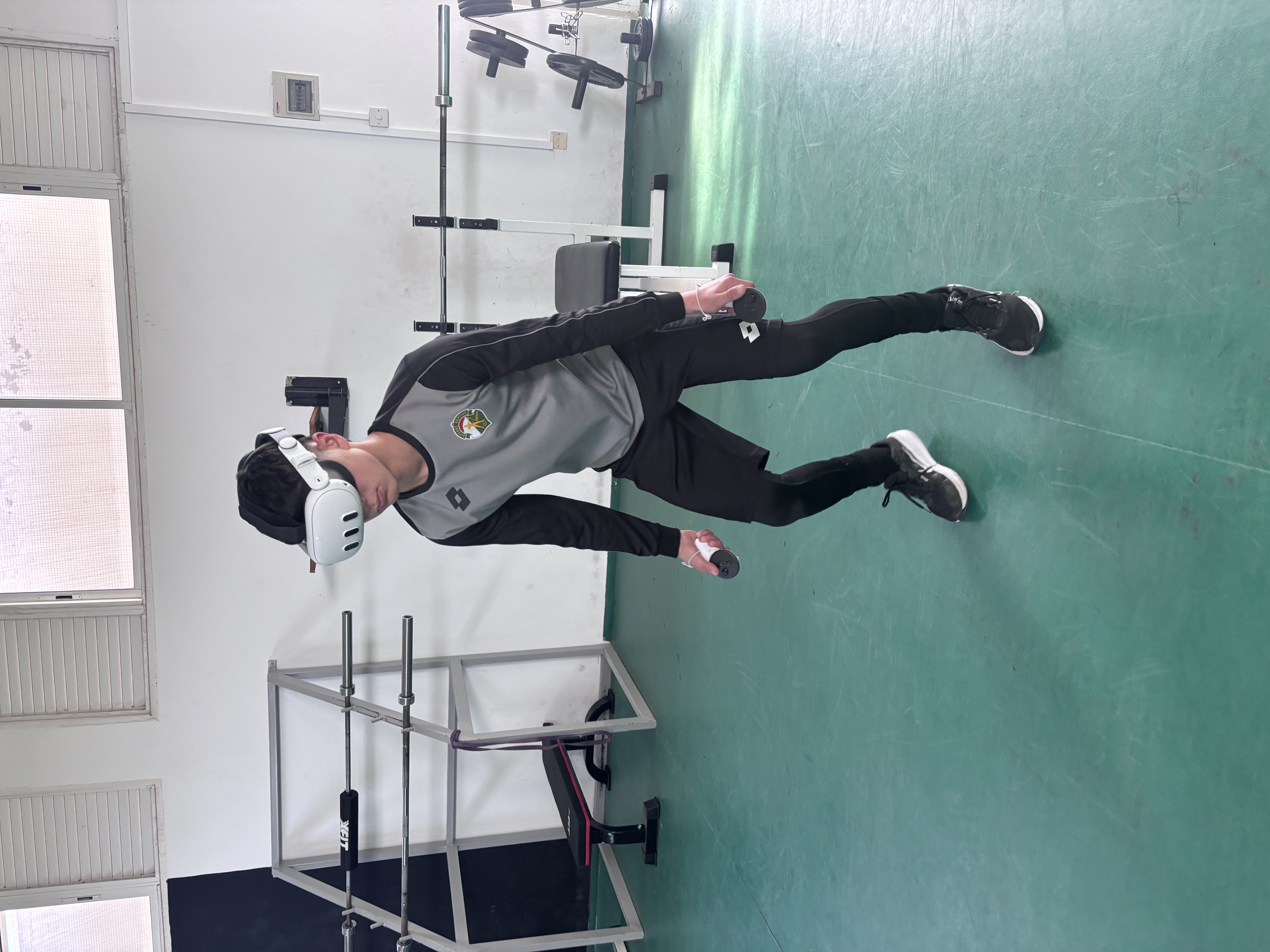
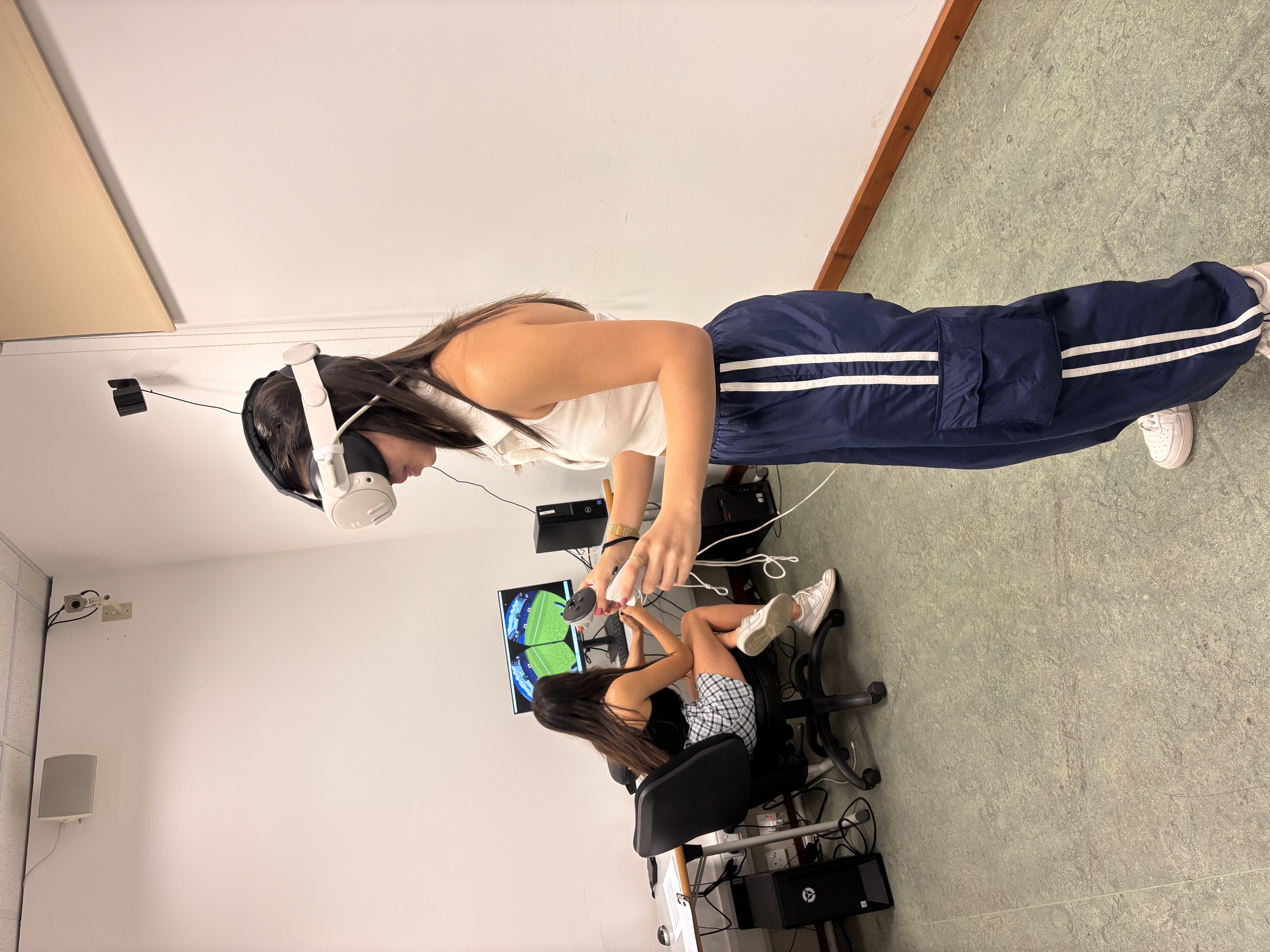
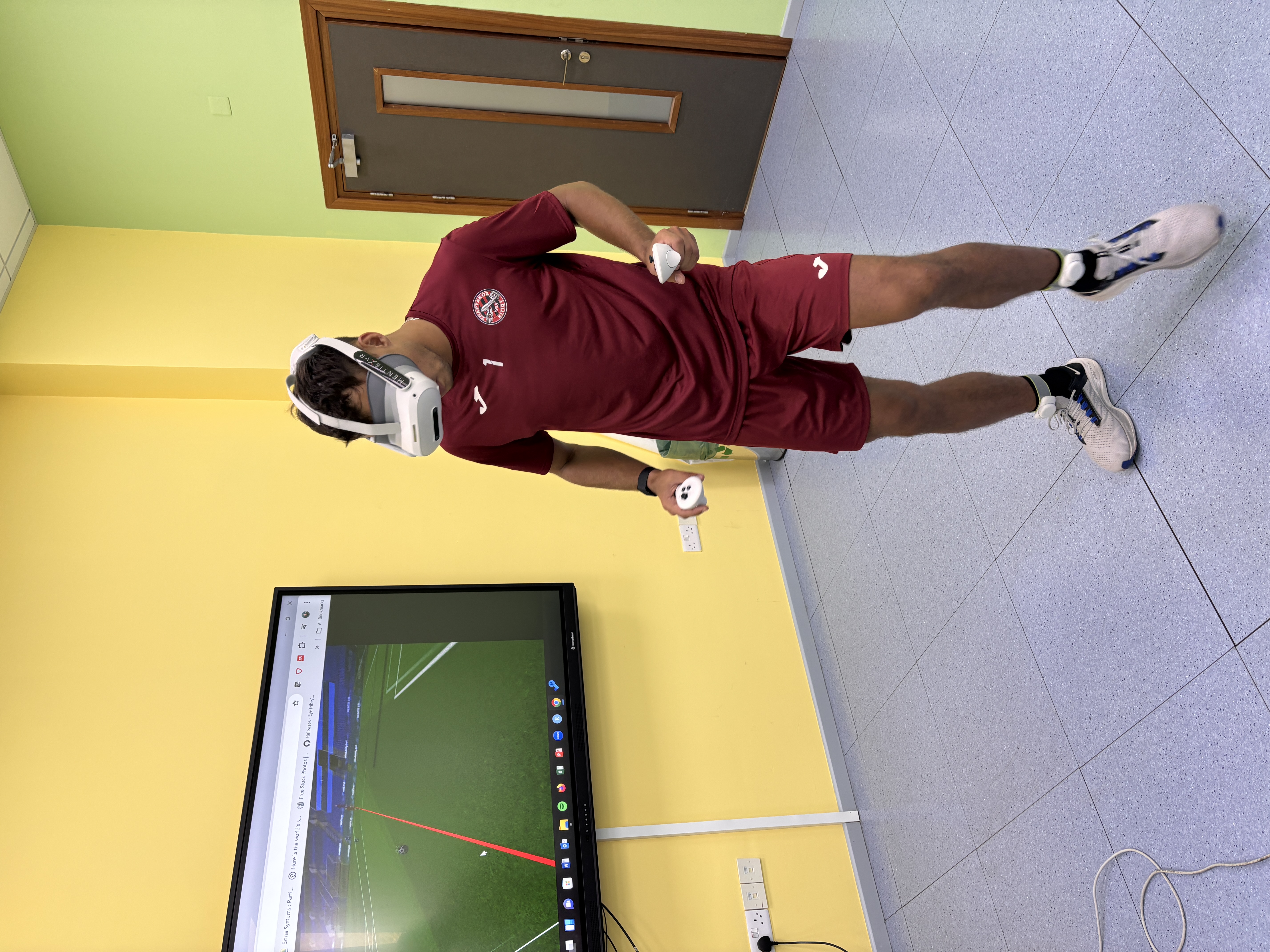
Does VR and AR training actually improve soccer players' cognitive and physical performance? This systematic review synthesized the best available evidence, asking whether immersive technology can meaningfully enhance decision-making, reaction time, and sport-specific motor skills in football.
Methods: Three major databases (PubMed, Web of Science, SPORTDiscus) were searched following PRISMA 2020 guidelines. After screening 289 studies, only 7 met strict inclusion criteria — reflecting the early stage of this research field. Studies were evaluated for cognitive performance, cognitive-motor outcomes, and self-reported measures.
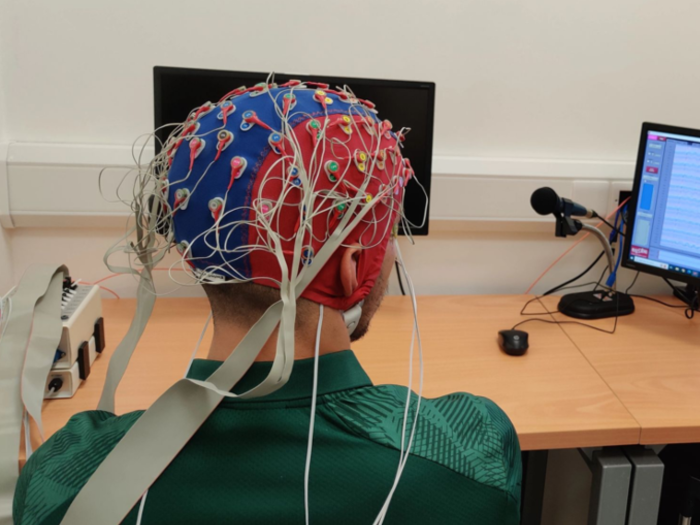
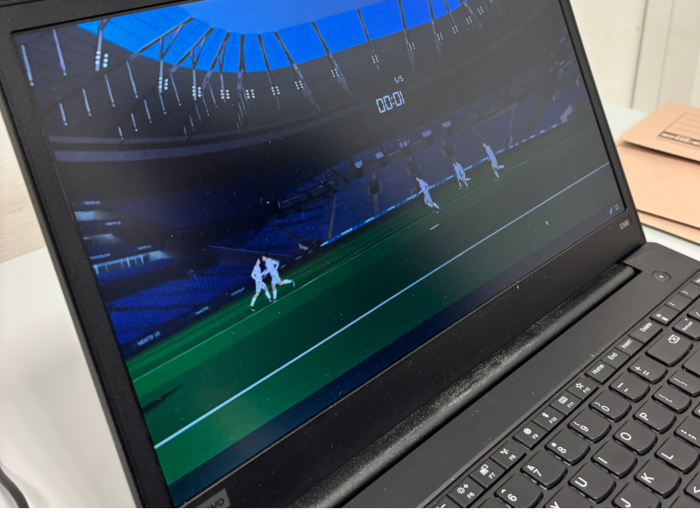
Key findings: All 7 included studies reported significant improvements in VR/AR training groups. Cognitive gains included faster reaction time and improved accuracy. Cognitive-motor skills — heading, passing, and shooting — all improved. One striking study found brain structural and functional changes after just 4 weeks of VR heading training, including increased grey matter and improved neural connectivity lasting 4 weeks post-training. Benefits appeared even with very short interventions (as brief as 3 sessions of 5 minutes). Players with lower baseline cognitive performance improved the most.
Conclusion: VR and AR training produces meaningful improvements in both cognitive and motor performance in soccer players. Context matters — tasks closely simulating real soccer scenarios showed greater transfer to real-world performance. The findings provide scientific validation for the use of immersive VR as a cognitive training tool in elite sport.
Journal: Biology of Sport, Vol. 43, 2026 · Review protocol: PRISMA 2020